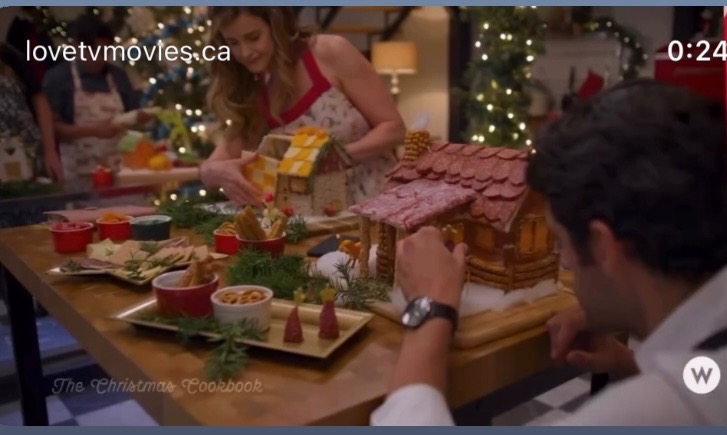
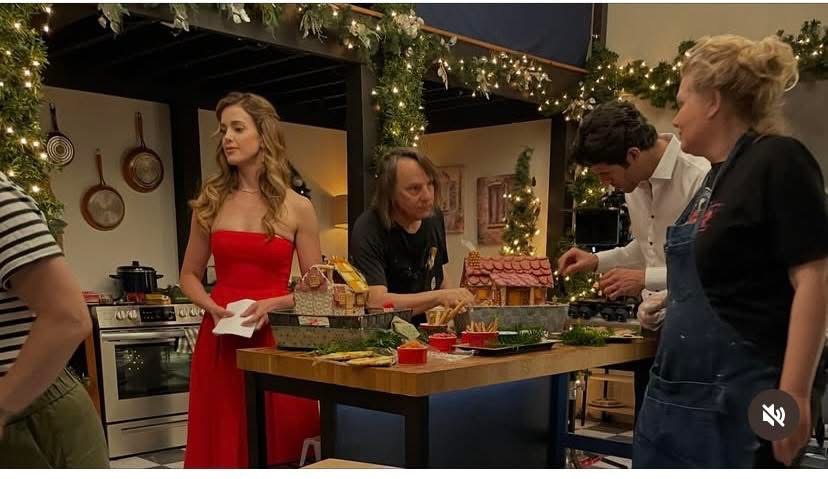
There’s something magical about Christmas movies—twinkling lights, cozy kitchens, warm nostalgia. But this year, I had the joy of adding a different kind of sparkle: I was the food stylist on a Christmas movie where the food truly got to shine.
Screenshot
A huge thank-you to Grit & Grace Entertainment and Brrain Power Studio for the opportunity. Working on this set was an absolute joy. From festive feasts to picture-perfect holiday treats, every scene was a chance to blend creativity, craft, and a lot of Christmas spirit.
📺 Canada: Catch it November 27 on W Network 📺 USA: Premieres December 5 on Lifetime TV
Hi! I’m Kari, a Toronto-based food stylist and recipe developer. After years of styling dishes for brands, stills, and movies, I’ve learned that food styling is as much about storytelling as it is about technique as every dish tells a story on camera.
Hiring the right food stylist in Toronto requires more than culinary skill. A professional stylist must understand how food behaves on camera, troubleshoot challenges on set, and prepare ahead of time to ensure every shot looks perfect and that the camera is never waiting on the food to be ready.
Toronto Food Styling Story: The Pizza Cake
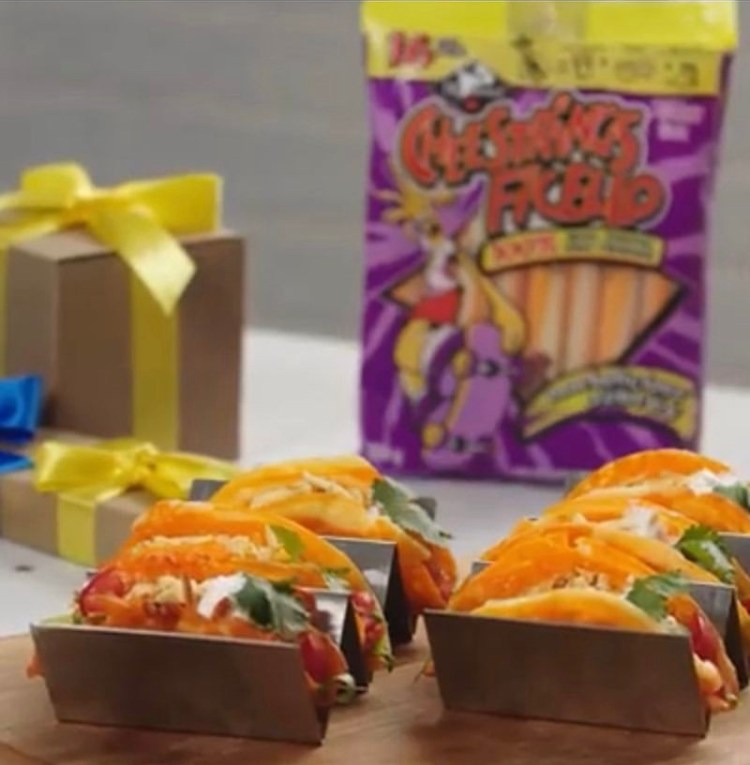
One of my first shoots in Toronto was for a cheese brand, where I styled a pizza cake. The project required a perfect cheese pull. Cheese pulls are tricky on their own, but when the pizza became a multi-layered cake it took some serious research. After careful prep, testing, and timing, we got the shot exactly right.
It was a high-pressure moment, but it taught me a vital lesson: prep, testing, and attention to detail are essential for every successful shoot.
Key Responsibilities of a Toronto Food Stylist
A professional Toronto food stylist combines culinary expertise, camera knowledge, and on-set problem-solving. Key responsibilities include:
Culinary expertise: Many stylists have professional kitchen experience, but being a chef is just the beginning. They no only know how to make a beautiful dish, they also know how food behaves under studio conditions and what holds up during long shoots.
Camera awareness: Food looks different on camera than in real life. For example, pouring soup into a bowl can cause ingredients to sink, so we sometimes use bowl fillers like marbles to keep garnishes in place.
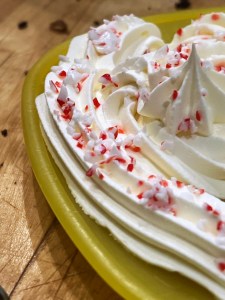
Prep and organization: Successful styling begins well before the shoot. Ingredients, props, and tools are prepped and organized in advance, often in coordination with photographers, producers, and clients. On a recent dessert shoot in a hot studio, I tested multiple stabilizing methods for whipped cream and after testing every possible version of whipped cream I found that good old Cool Whip is still the best.
Dietary and recipe knowledge: Stylists can develop recipes for special diets or allergens while ensuring the food looks delicious. On one shoot, I had an actress that needed to eat scripted dishes on camera so I needed to created nut, dairy and gluten free dishes that looked great and stayed looking fresh under hot studio lights.
Troubleshooting: Food can wilt, melt, or separate under studio lights. A stylist knows quick fixes to keep everything looking perfect. Failure is never an option.
On-set expertise: A stylist navigates the set professionally. They follow directors’ cues, assist talent, and be a part of the team that keeps the environment calm and organized. I have also coached actors on how to hold and present dishes naturally on camera.
Why Local Expertise Matters in Toronto
Hiring a local Toronto food stylist adds extra value to your project:
Access to the best ingredients: Local stylists know where to source seasonal produce or specialty items quickly.
Prop sourcing: Stylists often have connections for dishes, linens, utensils, and other props to enhance the visual story.
Local creativity: I often find unique props and additions at Toronto’s used stores and garage sales to elevate shoots.
Essential Skills to Look for in a Stylist
When hiring a professional food stylist in Toronto, consider these qualities:
Professional culinary training: Combined with camera and media knowledge. I started my journey in Norway, certified as a chef with experience cooking for the Norwegian King and heads of state at The Royal Palace.
Travel and cultural experience: Understanding diverse cuisines helps bring authenticity to every dish. I’ve traveled extensively across North America and Europe, which informs my approach to styling and recipe development.
Beverage expertise: Styling drinks requires separate skills. I’m sommelier-trained and have appeared silently on camera as a sommelier in a Christmas movie.
Research ability: Understanding the client/producer/director’s vision and translating it into compelling food visuals. Being a published food writer also helps with editorial shoots.
Set experience: Knowing how to act on set, follow cues, and assist actors or talent if needed. My experience as a stand-in taught me how camera angles affect food styling, and my script supervisor course ensures continuity for multi-day shoots.
Calm under pressure: The ability to solve unexpected challenges on the spot. On a shoot, things can get high-pressure, so it’s crucial to stay calm with camera crews, actors, and directors while maintaining a positive attitude.
Preparing for a Shoot
Great food styling is about preparation. A professional stylist will:
Pre-plan and prep ingredients and recipes ahead of timeStay on budget while sourcing quality itemsOrganize props and equipment efficientlyKeep everything ready for a smooth, stress-free shoot
One of my best investments was a hot plate I found on Facebook Marketplace for $25. It has been used in branded content and on movie sets, proving that creative sourcing can save time and money.
Pre-plan and prep ingredients and recipes ahead of time
Stay on budget while sourcing quality items
Organize props and equipment efficiently
Keep everything ready for a smooth, stress-free shoot
One of my best investments was a hot plate I found on Facebook Marketplace for $25. It has been used in branded content and on movie sets, proving that creative sourcing can save time and money.
Final Thoughts
Hiring the right Toronto food stylist means finding someone who combines culinary expertise, creative vision, and on-set problem-solving. From pre-production planning to the final shot, a stylist ensures food looks irresistible and tells the story your brand wants to share.
For me, food styling isn’t just about making food look perfect, it’s about evoking a craving, a memory, or a story for the lens to capture.
If you’re ready to hire a professional Toronto food stylist to bring your brand’s vision to life, contact me kari@foodstylingtoronto.ca
Coming from a background as a chef and now working as a food stylist, I initially thought that food styling was just about making food as you would when feeding a table at a restaurant. That’s not entirely true—preparing food for eating is very different from preparing food for the camera. Our eyes can see details that a camera lens cannot capture. When you make food to eat, it is meant to be enjoyed immediately, but on a shoot, it can take a long time before the food is photographed.
For marketing professionals and ad agencies, food styling plays a crucial role in creating impactful visual content. Whether it’s for a restaurant campaign, a product shoot, or editorial content, the goal is to make dishes look irresistible and on-brand. Simple dishes often pose a greater challenge than elaborate ones, requiring an understanding of how food behaves over time and techniques to manipulate it for visual appeal.
A Case Study: Maple Syrup and Pancakes
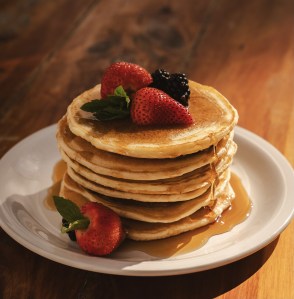
A while ago, I worked as a writer and food stylist for Pepper Publishing, a Norwegian magazine, on an assignment about maple syrup. I wrote about its history and the tradition of visiting maple sugar forests. I also developed a recipe for Poor Man’s Pudding from Quebec. To complement the story, I needed a visually stunning stack of pancakes. Nothing captures the essence of maple syrup like a tall stack of pancakes dripping with golden syrup.
Let me take you behind the scenes to show how we created a photo where maple syrup was the star—a perfect example of food styling for advertising and editorial content.
Preparation for the Shoot
Making the Pancakes Since these pancakes were for visuals, not taste, I used a packaged pancake mix. To ensure consistency, I measured the same amount of batter for each pancake and browned them evenly. To make the stack appear fluffier and taller, I cut circles of cardboard to place between the layers.
Preparing the Syrup For the shoot, I used an affordable maple syrup and decanted it into a container for easy pouring. A dripper tool was also on hand to create controlled drips for those perfect close-up shots.
Extra Tricks One insider trick: I used hairspray to lightly coat the pancakes and prevent the syrup from soaking in too quickly. While this isn’t something you’d do for eating, it’s essential for preserving the pancakes’ visual appeal during a long shoot.
On the Photo Shoot
Collaboration is Key Working with a skilled still photographer was essential. For marketing shoots, clear communication is vital to ensure the visuals align with the brand’s message. We discussed the vision in detail, ensuring the photographer could capture the exact look I was aiming for.
Styling the Scene To enhance the composition, I styled the pancakes with complementary ingredients like fresh berries. These added vibrant colors and created a visually balanced shot. However, the focus of the photo was to make the maple syrup stand out, not the berries.
The Syrup Moment
The syrup pour was the highlight. After lightly spraying the pancakes with hairspray, I poured the syrup using a decanter. While we experimented with a dripper for precision (photo on the right side), the decanter provided the best cascading effect. Timing was critical, and the photographer was ready to capture the moment the syrup hit the stack.
Final Thoughts from a Food Stylist
As you can see, cooking for the camera is entirely different from cooking for the table. For marketing professionals and ad agencies, food styling is a powerful tool to create compelling visuals that drive engagement and sales. It combines artistry, technical knowledge, and creativity to make food look irresistible.
Food styling allows you to tell a story through visuals—whether it’s showcasing a product for an ad campaign or creating a mouthwatering image for social media. With the right techniques and attention to detail, even the simplest ingredients can become show-stopping centerpieces for your brand.
Ready to make your brand stand out with stunning food visuals? Contact me today to discuss how we can craft images that align perfectly with your brand’s message.
My journey with food started as a little girl in Norway, reading cookbooks and saving recipes from magazines. I have fond memories of my grandmother’s handwritten notes that filled me with culinary inspiration. Later, I became a certified chef de cuisine and spent a decade in restaurants creating menus for restaurants and catering events.
Crafting menus with seasonal ingredients, textures, colors, and presentation became my passion. Little did I know that my background as a chef combined with my experience as a freelance writer would lead me to become a recipe developer for food brands and corporate businesses, creating recipes for consumers and kitchen staff.
Roles of a recipe developer
Working as a recipe developer may involve different roles. From creating kitchen recipes for kitchen staff to crafting content for magazines and social media, I have worked with food brands and in corporate kitchens. The rule remains the same: test and describe recipes accurately, as appearances can be deceiving.
Understanding your audience and goals
Before you start suggesting recipe ideas as a recipe developer, consider your audience and client’s goals. Think about recipes that have visual appeal, especially for mediums like videos. For corporate clients, think about cost-effective and practical recipes suited to their context and how easy they are to prepare in a large corporate kitchen.
The Importance of Research
Research is key for a recipe developer, whether for corporate kitchens or home cooks. Study culinary trends and seasonal ingredients. Let research inspire innovation. For visual media, consider photogenic cooking styles.Check out this recipe video I developed for Oxford Blueberries
Crafting your recipe
Draft your vision into a recipe through careful drafting. Sketch recipes to visualize the final dish. Test recipes and take exact notes of measurements and cooking techniques and correct the recipes for consistency and desired aesthetics of the dish.
Crafting your recipe as a recipe developer
Draft your vision into a recipe through careful drafting. Sketch recipes to visualize the final dish. Test recipes and take exact notes of measurements and cooking techniques and correct the recipes for consistency and desired aesthetics of the dish.
Important to get feedback from a tasting panel for a recipe developer
Make your final dish and present your food to a taste panel. Get feedback and insights from the tasting panel and incorporate feedback to polish the recipe.
The Art of Articulation: Writing the Recipe
Writing a recipe is an art. Make sure you have detailed accurate measurements and use simple language. Describe cooking techniques clearly, arrange cooking steps chronologically. Use both cups and kilograms for global accessibility. Use food programs to identify allergens and nutrition information for recipes when there is a request for that detail. Check out this recipe that I developed for foodnetwork.ca
Watch closely and you might spot me. My role is a sommelier on screen. One of my special skills as an Actra performer. I’m also happy to consult film and television as a food stylist about wine etiquette in a high end setting. For an example ; what glasses to use, how to open a wine bottle correctly and pour wine, how to decant a wine bottle, how to set up and pour a champagne fountain.
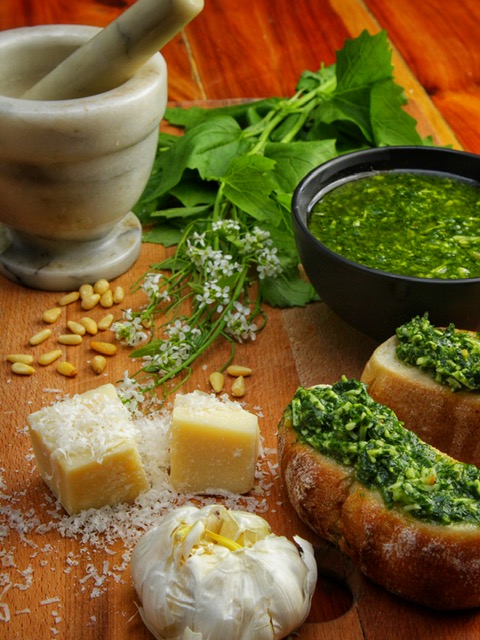
How can something so invasive and dreaded taste so good ? Since I discovered mustard garlic a few years ago I have used a lot in cooking. Edible Toronto Magazine featured my recipe and a photograph on their Instagram account last year. i can’t wait for it to be spring and to make some pesto again from my garden.
Garlic Mustard recipe 2 cups well -washed garlic mustard leaves 1/2 cup grated Parmesan or Asiago 1/2 cup pine nuts Two medium sized minced garlic cloves salt and pepper to taste
Put garlic cloves,cheese and nuts in a food processor and pulse until you have a fine paste.
Add washed garlic mustard leaves and pulse until you have a fine paste.
Add washed garlic mustard leaves and pulse a few times more.Slowly add the olive oil in a constant stream while the foodprocessor is on. Stop to scrape down the sides from time to time. Add a pinch of salt and freshly ground blackpepper to taste.




 Kari Svenneby is a food stylist in motion & stills photography based in Toronto.